In The Dissonance of the Pendulum, the forces that shape the story extend far beyond places. They reach into work, relationships, and a specific moment in history, when both professional and personal certainties begin to lose their solidity.
At the heart of the novel, an unstable balance gradually takes shape around Massimo, the protagonist. It is sustained by relationships that draw closer and drift apart without ever breaking completely. Beatrice’s arrival alters this fragile geometry: loyalty, desire, and commitment no longer follow separate paths. There is no sudden rupture, but rather a slow redefinition of boundaries, unfolding through unexpected closeness, shared silences, and subtle shifts.
This emotional landscape evolves within a broader reality that never remains a mere backdrop. The decline of the Italian telecommunications industry and the collapse of Italtel, once one of its leading companies, accompany the characters’ journey as a tangible experience of losing direction and certainty, without ever turning the novel into a manifesto or a social indictment.

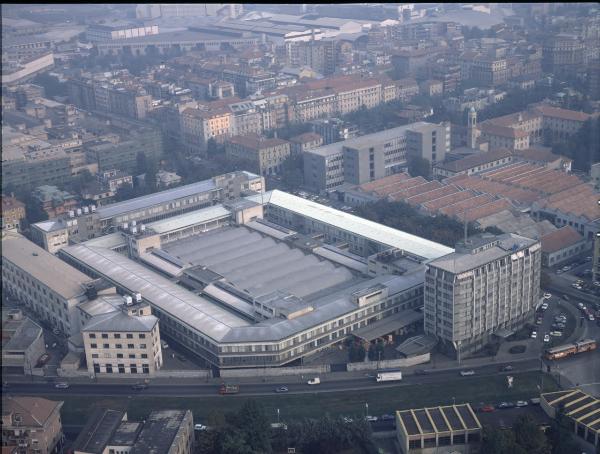


The Italy that emerges remains in the background, the landscape against which these lives unfold, with its inertia and its layers of history, without ever being asked to stand as a symbol of a collective destiny.
For Massimo, retreating to a cottage in Kenya and travelling to distant places are neither destinations to pursue nor experiences to tick off. They are necessary pauses — temporary interruptions from work and its relentless pressures, often compressed into just a few weeks — that allow him to see more clearly what still holds his life together and what, by now, can no longer endure.
It is within this state of suspension that the central question of the novel gradually takes shape: what remains when the balance patiently built over time is no longer enough?
